
Marketing’s worst nightmare: It was an inside job

B2B is facing a data reckoning. Behind every broken forecast and failed campaign is the same root cause: bad data. It’s slowing down teams and distorting how they see their markets, customers, and performance.
More data means less trust. CRMs bloat. Intent data misfires. AI amplifies the chaos. What should fuel growth now propels confusion and waste.
To understand the full impact, Demandbase launched the Data Horror Stories campaign, collecting real experiences from marketers and sales leaders via its Horror Hotline website.
The findings are clear: poor data and poor governance are blocking growth. And fixing them is no longer optional.
Data quality and system failures are marketers’ biggest enemies
Marketers face a dual crisis that accounts for over 80% of data disasters. The pain is split equally between the quality of the data itself and the infrastructure that houses it.
An overwhelming 82.6% of data horror stories trace back to two problems:
- Data quality and accuracy (41.3%): Wrong, incomplete, or outdated information.
- System and process failures (41.3%): Broken integrations, technical glitches, or human error.
This organizational flaw is laid bare in a particularly painful submission:
“I once spent weeks creating a full campaign around what the data told us was a ‘high-value persona.’ … Then, just before rollout, the marketing team discovered the data was outdated. All the work I created was scrapped before it ever went live. Hours of creative effort down the drain because the foundation was built on bad data.”
The result is wasted effort, broken trust, and campaigns that collapse before they even launch. Marketers described the same sinking feeling over and over again of when something small and seemingly harmless spirals into a full-blown operational nightmare.
One submission perfectly illustrates the crushing cost of building strategy on bad information:
“I once spent weeks creating a full campaign around what the data told us was a ‘high-value persona.’ Then, just before rollout, the marketing team discovered the data was outdated. All the work I created was scrapped before it ever went live. Hours of creative effort down the drain because the foundation was built on bad data.”
Another marketer shared how a single file upload spiraled into chaos:
“A misaligned CSV shifted columns. Overnight, thousands of [CRM] records had the wrong names and titles.”
And sometimes, human error and outdated infrastructure combine for a truly global catastrophe:
“We blasted an English email with ‘Free iPad’ in the subject to ~5,000 customers without a language on file. It crashed a major automotive company’s global mail servers.”
Together, these stories show how fragile even the most sophisticated marketing engines can be when the underlying data isn’t trustworthy.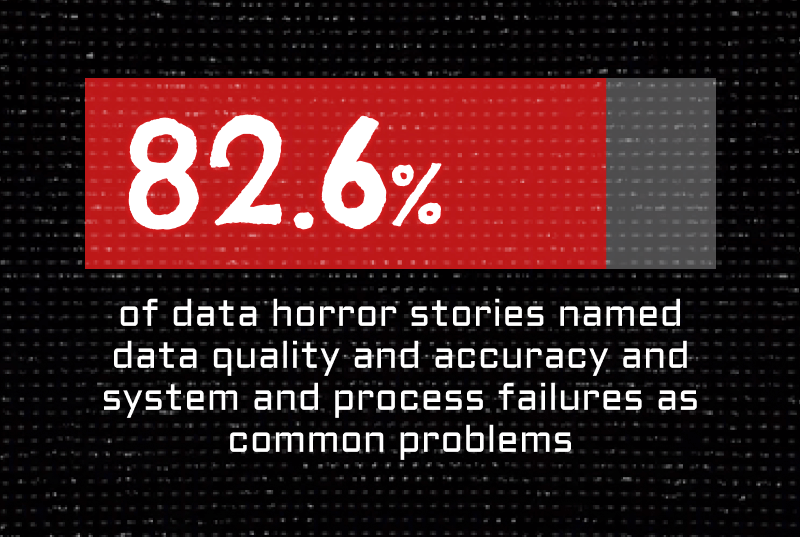
Governance is where data breaks
When a simple human error can crash a mission-critical CRM, the problem isn’t the user; it’s an organizational flaw. The true “monster” lurking behind quality and system failures is a lack of accountability.
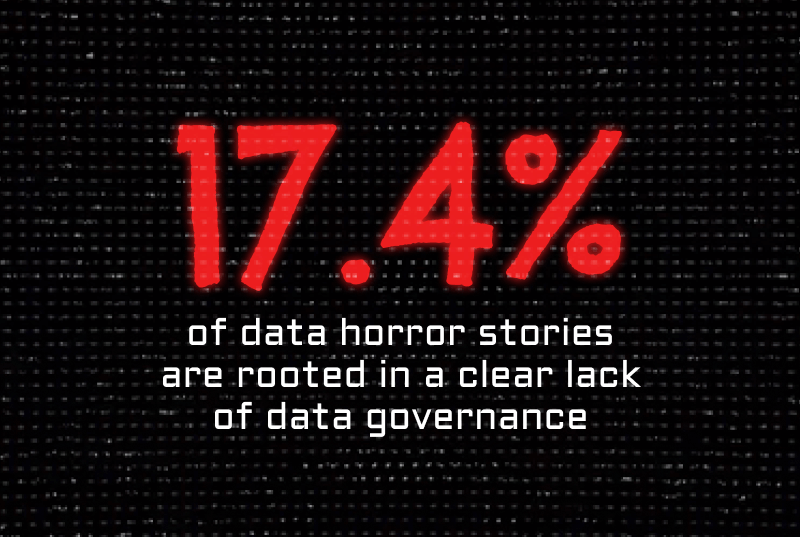
The core issue is clear: 17.4% of data horror stories are rooted in a specific lack of data governance. These failures include leadership overruling data best practices, deleted backups, and misconfigured retention policies.
This organizational flaw is laid bare in one particularly painful submission:
“I was instructed to connect to our CRM with Microsoft Access. The connection was taking so long that I decided to close it out and go to lunch. Evidently, this caused our CRM to go down. I thought that I had canceled the connection and everything was good. This caused a lot of frustration for our sales teams. I was pinged and informed that a ‘rogue query’ brought down the CRM, and it was me—I was the problem.”
The biggest marketing security threat for orgs is fraud, not hacking
Companies spend massive resources defending against external breaches, but the biggest drain on budget and security is often a silent killer: fraudulent data.
The fraud epidemic is real: 75% of all stories that involved security-related issues mentioned fraudulent data acquisition. This includes vendors selling fake leads or campaigns infiltrated by bots. Fraudulent data is a budget-killer disguised as a high-value lead, demanding aggressive scrutiny of data sources and a clear understanding of data provenance.
Fraud is not a random glitch; it’s a direct financial drain scheduled into the sales cycle. One submission reveals this twisted pattern and how vendors actively bled the budget dry:
“A vendor that shall not be named, always would sell FRAUDULENT leads at the end of each billing month, making most of the leads unusable.”
Another marketer recalled a nightmare campaign overrun by bots:
“Our campaign was based on protection from fraud. Our security was supposed to be a shield for users. Almost every lead ended up being a bot when we launched.”
The real danger to marketers isn’t hackers breaking in, but bad data quietly bleeding the system from within. 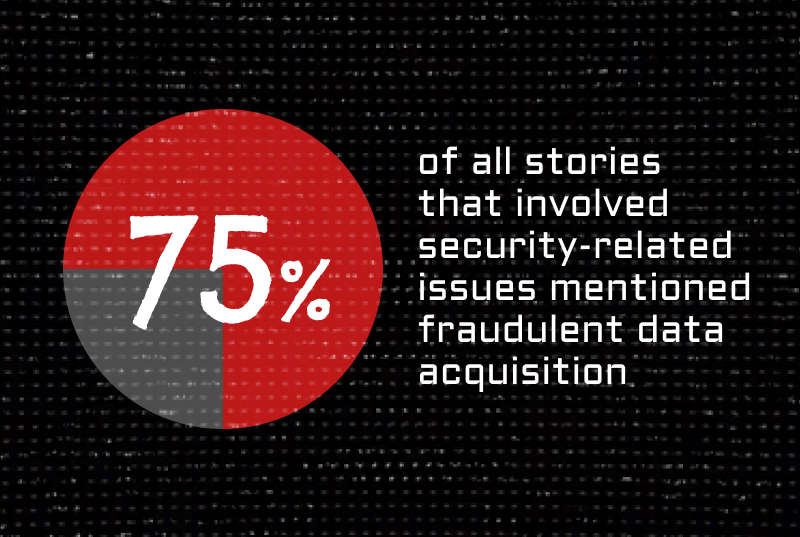
Leaving the house of horrors: How B2B leaders can break the cycle of bad data
The “Data Horror Stories” Demandbase uncovered prove that data pain is predictable, pervasive, and costly. These consistent failures aren’t just frustrating; they actively undermine team morale and leadership confidence.
GTM leaders must stop being reactive fire-fighters and escape this perpetual nightmare. The solution requires a strategic pivot across the tech stack and the entire organization:
- Establish an external source of truth. Directly address your team’s chronic data quality crisis by investing in a central, external platform that automatically validates and standardizes every existing record. This builds a foundation that provides reliable data you can actually trust for every decision, operating independently of your CRM.
- Unify teams with shared data rules. Address system failures by enforcing a new operating model that unifies all GTM data signals (like intent, firmographics, and technographics) into a single, armored platform. This unification establishes the clear rules and single goal needed for Sales and Marketing to work together.
- Stop chasing bad leads. Shift resources away from low-quality individual leads and focus entirely on validated accounts. Targeting accounts that show real intent protects your budget and ensures your effort goes only toward high-value opportunities.
This shift is bigger than a platform decision. It requires leaders to treat data as core infrastructure instead of a recurring repair issue. Teams that establish a single source of truth, align around shared rules, and redirect focus toward verified accounts unlock predictable revenue instead of firefighting. Demandbase provides the system that makes this transition possible, but the responsibility to drive it belongs to every GTM leader who is ready to regain control.


We have updated our Privacy Notice. Please click here for details.