
What is B2B multi-channel marketing? 7 key channels and best practices to drive growth in 2026
Answered on February 12, 2026
What is B2B multi-channel marketing?
B2B multi-channel marketing is the practice of using multiple marketing channels (digital and offline) to engage buyers consistently throughout their journey.
In simpler terms, it is how you ensure your brand shows up whenever buyers are researching solutions, comparing vendors or making a final decision.
Whether that’s a LinkedIn ad, a Google search, a personalized email, or a live industry event, every interaction reinforces your brand’s message and moves prospects one step closer to conversion.
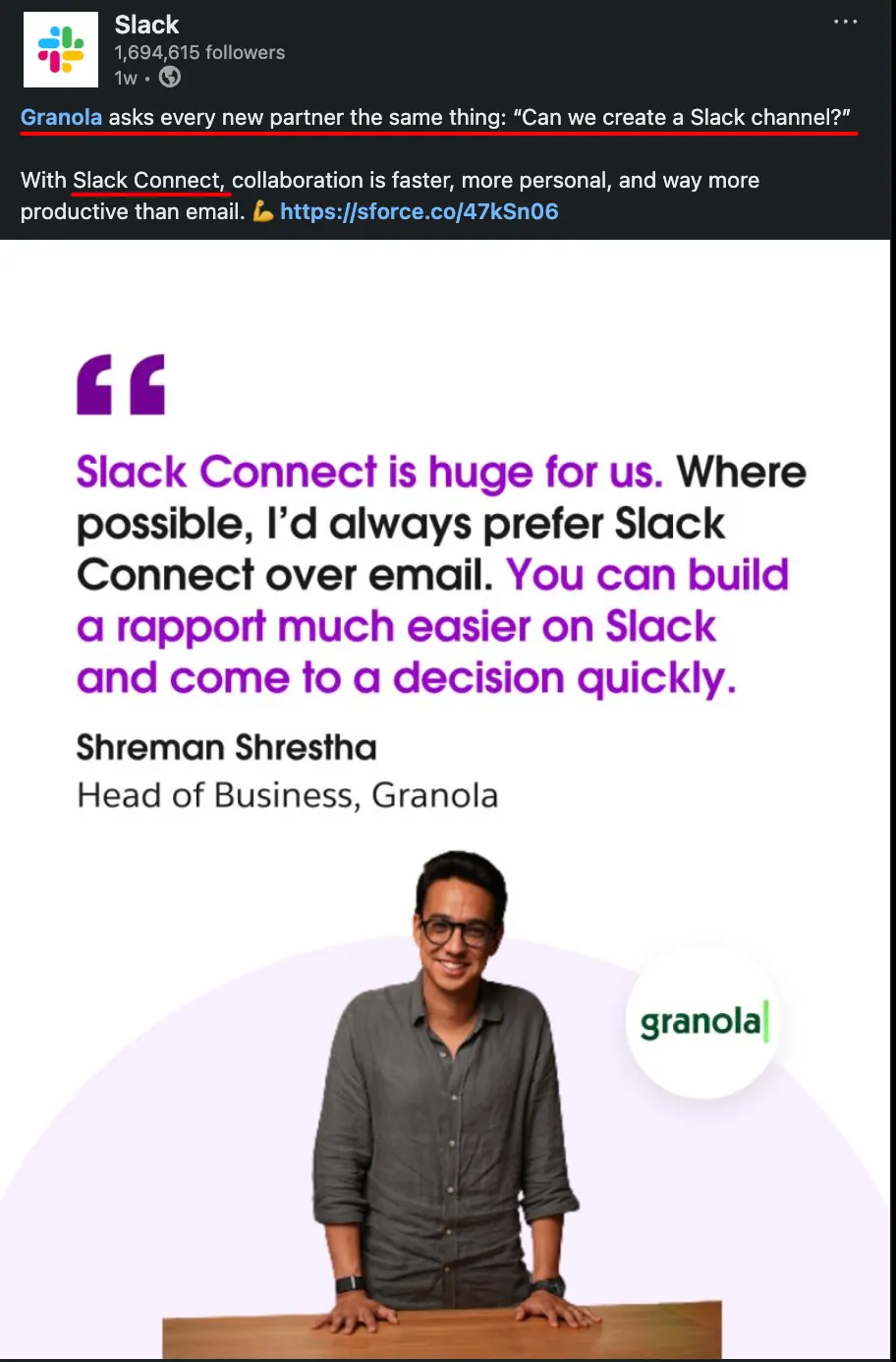
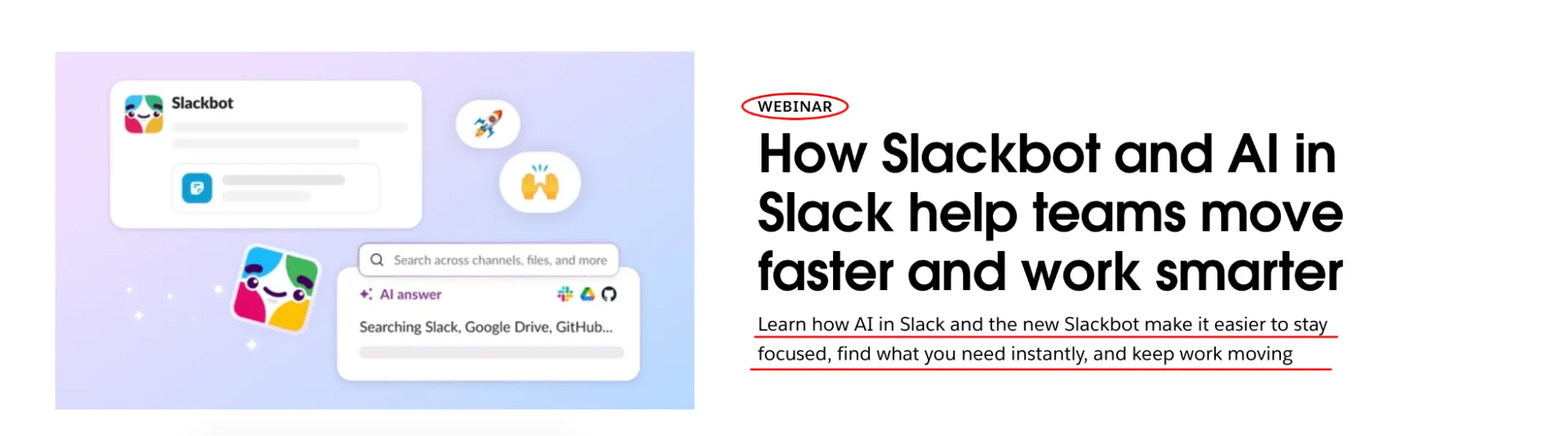
For example, consider how Slack uses different channels to stay top-of-mind across various stages of the buyer journey:
- A LinkedIn post sharing a customer testimonial and highlighting a feature that allows users to collaborate with people outside their organization.
- A webinar educating prospects on how Slack can help them work faster and smarter.
- Partnership landing pages from Brex and G2 featuring Slack integrations and promotional offers that reinforce the product’s value.
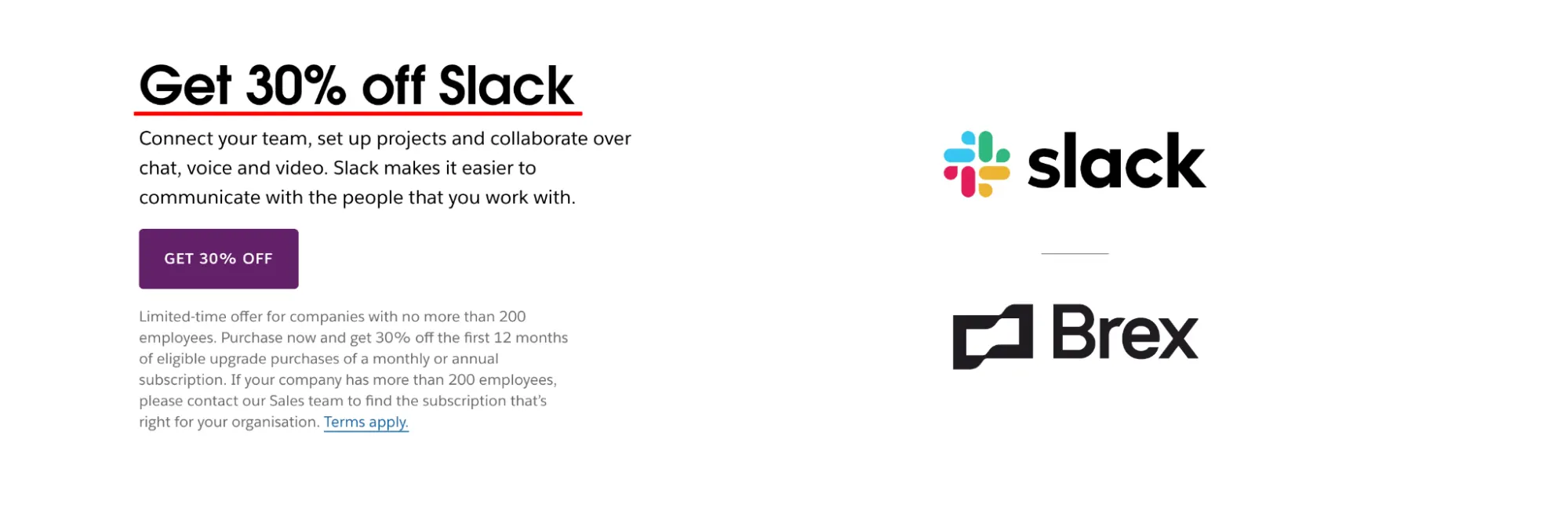
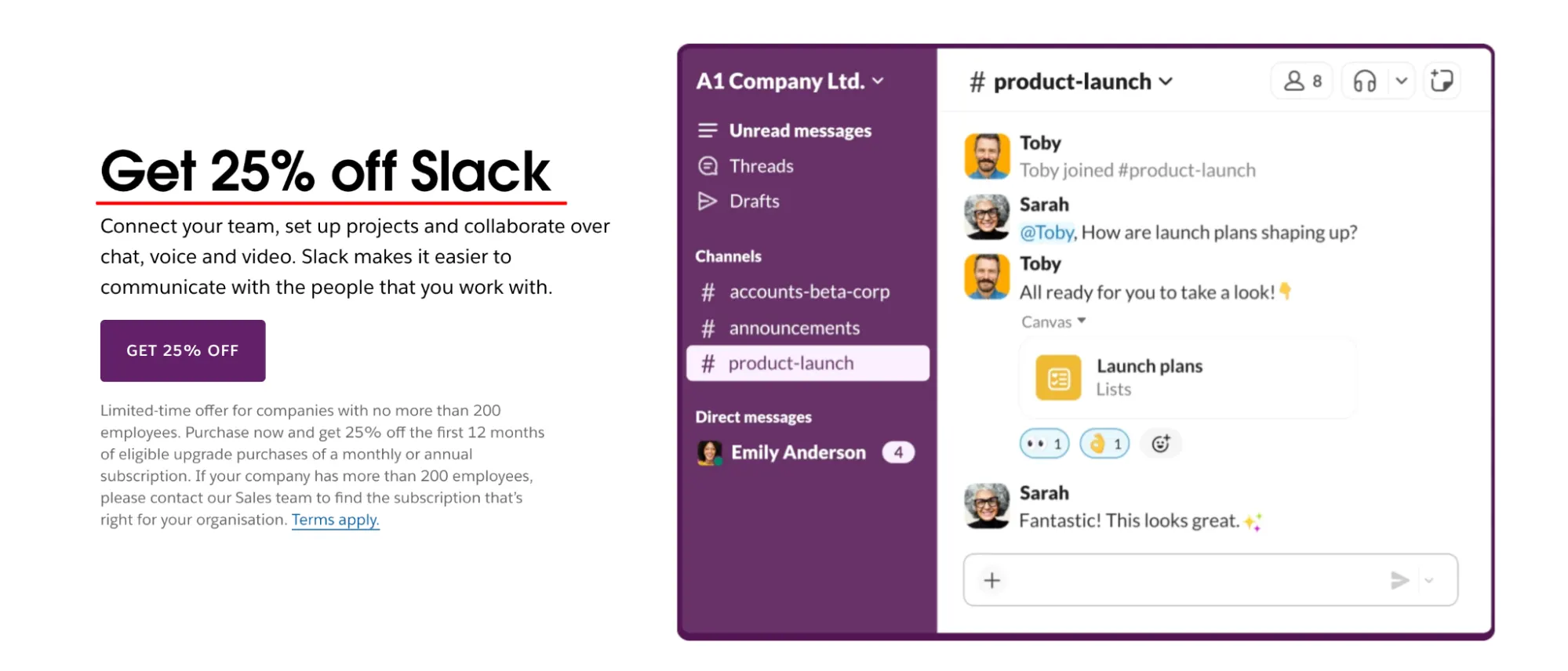
One thing you’d have noticed with the Slack example is how it creates ‘continuity’ across all touchpoints. Each channel tells a different, but connected part of the same story. One that keeps reinforcing the product’s relevance, credibility, and usefulness.
And that’s the main concept behind B2B multi-channel marketing: creating a unified brand experience that meets buyers where they are and moves them forward naturally.
The most important things to know are:
- It involves a mix of digital channels: A typical strategy includes digital marketing channels like email, social media (especially LinkedIn), digital ads, content marketing (blogs, whitepapers), and Connected TV (CTV).
- The channels often work in parallel: In a basic multi-channel strategy, each channel may run its own campaign. For example, an email nurture and a LinkedIn ad series might go live simultaneously but operate independently.
- The primary goal is to increase touchpoints: By being active across multiple channels, you create more opportunities for prospects to see and engage with your brand. Consistent messaging across these touchpoints helps build brand awareness, trust, and consideration throughout the long B2B buying journey.
Why multi-channel marketing is non-negotiable for B2B
We’re at a point in B2B where the market is moving faster than we can catch up. Everyone now has an AI of some sort doing the same thing but ‘worded’ differently.
The buying journey is also growing longer with internal debates stretching 6+ months. And to top it off, we can collectively agree that our attention spans are shrinking.
All of which points out that no ‘single’ channel can carry the weight of your message anymore.
As such, the only way to stay visible, credible, and connected across that fragmented system is through a unified multi-channel marketing approach.
Here’s why it’s important to have:
Because buying committees demand cross-persona alignment
Buying committees are what influences B2B deals, which means you have a lot of people with different interests weighing in on a purchase decision.
You have the CFO estimating cost and ROI, the CTO evaluating scalability, and the VP of Operations analyzing its efficiency. Each of them consumes different types of content, in different channels, at different times.
Multi-channel marketing gives you the reach and flexibility to engage every stakeholder in their preferred channel and language.
You might connect with technical buyers through webinars and comparison content, while reaching executives via LinkedIn thought leadership or analyst coverage. This multichannel approach ensures your solution resonates across every individual involved.
Because the buying journey is becoming unpredictable
There’s the typical ‘funnel’ everyone expects B2B buyers to follow. And that’s based on the idea that since their buying decisions require collective agreement, then they simply have to ‘guide’ them to the last stage.
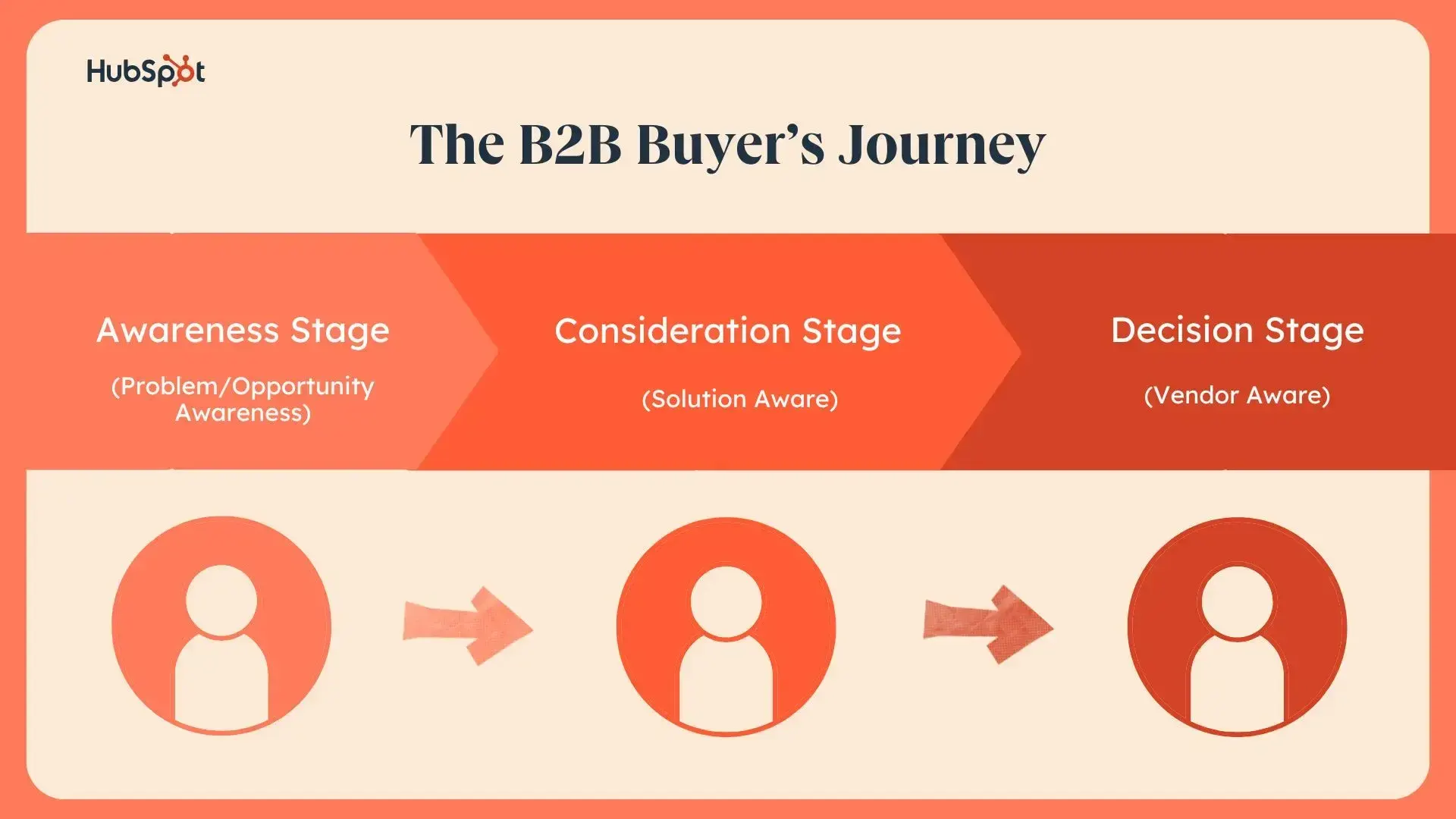 [Source:HubSpot]
While there’s nothing wrong with that approach, it however doesn’t account for the ‘irregularity’ in their buying journey.
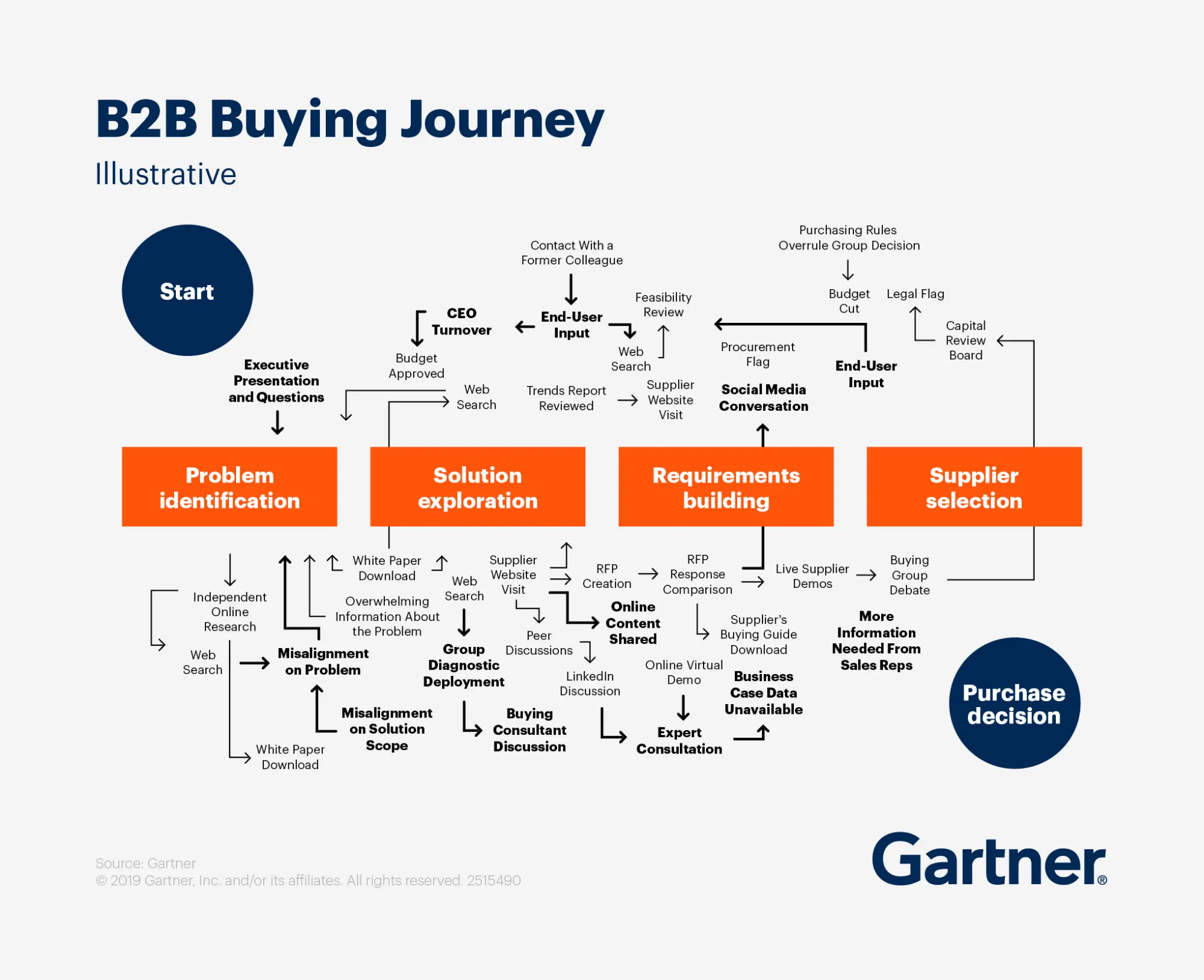 [Source:Gartner]
An account can navigate your website, engage with ads, webinars, analyst reports, request quotes, and even get peer recommendations, then vanish for a few months, and reappear on a webinar.
Multi-channel marketing ensures you’re present at every one of those touchpoints. Not repeating the same message, but with a consistent narrative tailored to context.
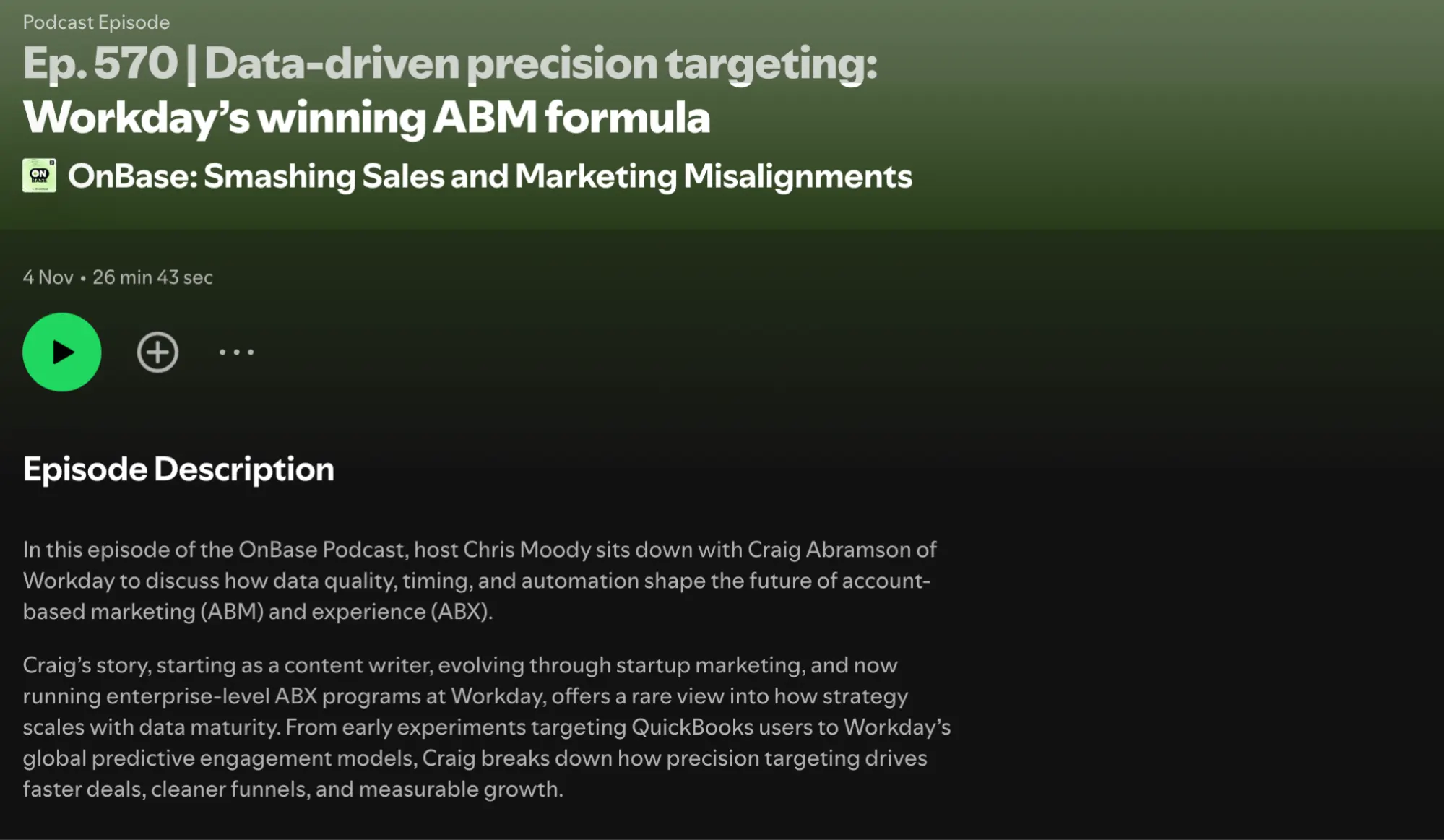
For example, here’s Demandbase across three different channels with different message, but same context:
- Interviews on YouTube:
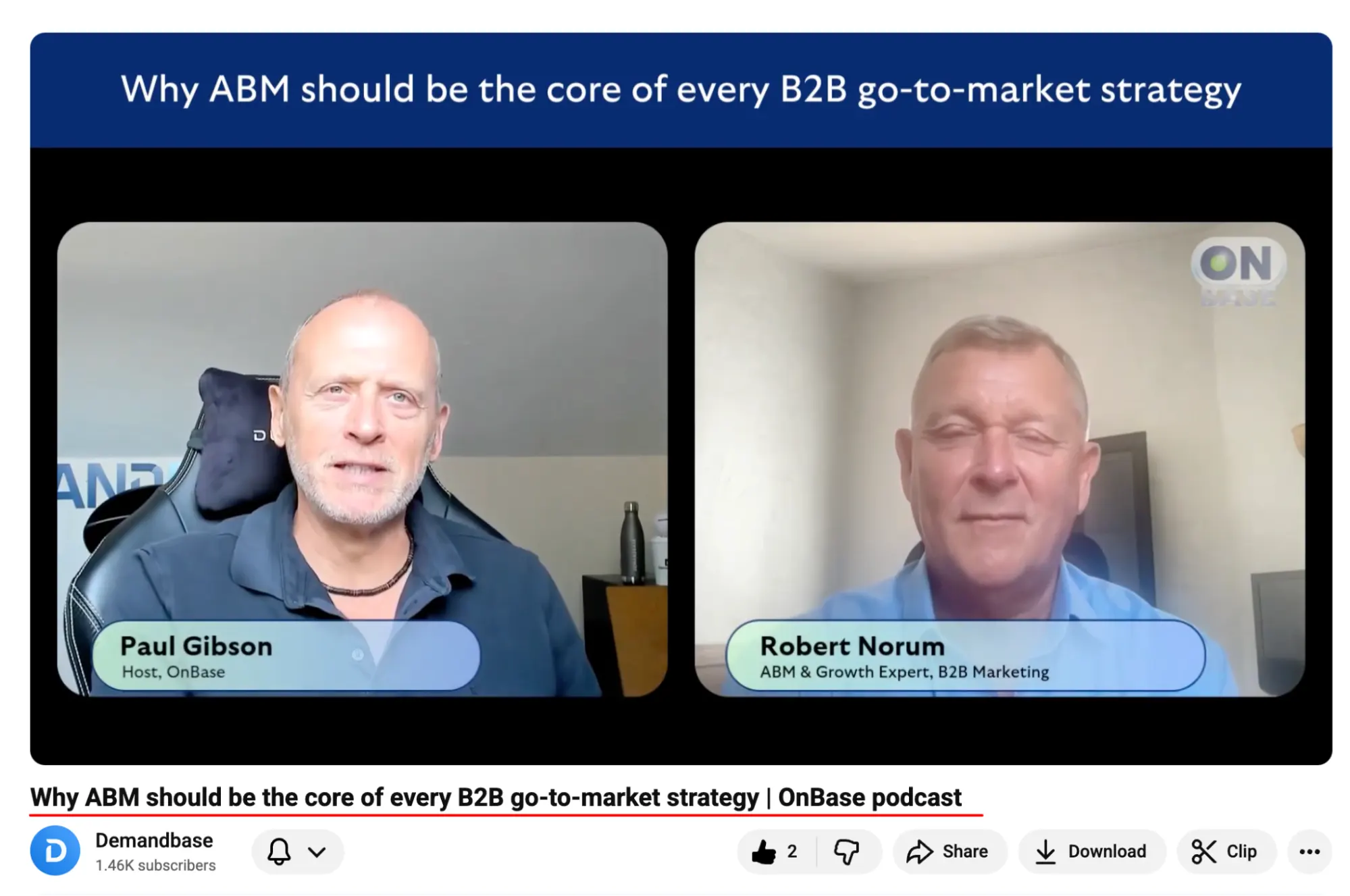
- Analyst report.
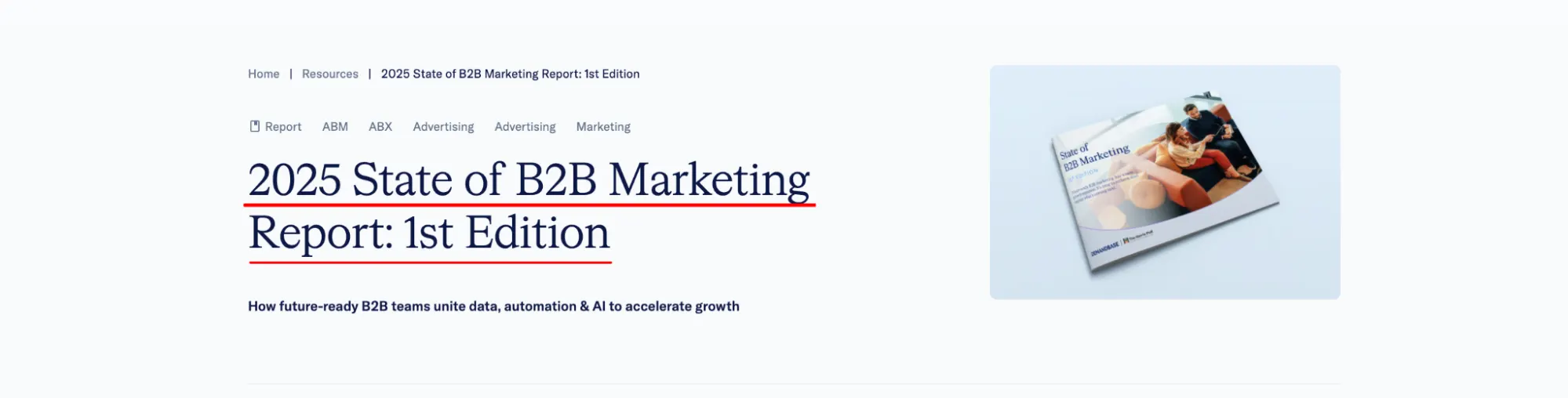
- Podcast via Apple and Spotify.

Because data and intent signals lives in silos unless you connect it
There’s no single channel that can give you the complete picture of buyer intent.
You won’t know if a click on your website is out of curiosity or it’s something more. But a pattern of searches, content downloads, or ad interactions across multiple platforms indicates interest.
Multi-channel marketing allows you to connect those dots. It merges first-party data, third-party intent signals, and engagement analytics into a single view of the account. This level of visibility makes targeting smarter as you’re reaching out when intent is peaking.
Because it strengthens brand authority and trust
The whole concept of ‘closing a deal’ in B2B relies on the buying committee trusting you.
That’s why seeing your brand appear in credible, complementary spaces like thought-leadership articles, events, newsletters and social conversations — reinforces your expertise.
A multi-channel marketing strategy ensures that every channel amplifies that perception. It lets you control your narrative and sustain visibility even when prospects aren’t in a buying cycle.
Must-have channels for a successful B2B marketing strategy in 2026
- 1. Content marketing as your foundation
- 2. Search engine optimization (SEO) as a long-term authority play
- 3. Email marketing for direct nurturing
- 4. Social media marketing to build authority
- 5. Digital advertising to influence target accounts
- 6. Connected TV (CTV) for high-impact brand building
- 7. Webinars and virtual events for deep engagement
1. Content marketing as your foundation
Every successful B2B marketing strategy relies on content marketing. It’s the one channel that sustains every other channel. Every LinkedIn post, webinar, ad, or email sequence draws its strength from the ideas and assets created through your content strategy.
To put it simply, it’s how you build awareness, demonstrate authority, and educate buyers before they ever talk to sales.
And that’s because B2B buyers today want to ‘self-educate’ before making a decision. Content marketing allows you to meet that expectation by delivering genuine value at every stage of their journey. Whether that’s exploring blog posts in their research phase, or going through your technical documentation during the final phase.
But the most important aspect is consistency and depth. You can’t trick the system by publishing random blog posts to build authority. Instead, you need to demonstrate thought leadership.
This means aligning content around your ICP’s core challenges. In this case, creating assets that answer real questions, and distributing those assets intelligently across multiple formats (videos, case studies, podcasts, whitepapers, and live events).
2. Search engine optimization (SEO) as a long-term authority play
SEO isn’t just rankings anymore. The reach now extends to building authority and credibility, that compounds over time.
And we can trace the reason for this back to the complexity of the B2B buying cycle. As a result, organic search has become the most reliable way to stay discoverable when intent is highest.
The logic is simple: every major purchase begins with a question.
- A CMO researching “best ABM platforms”
- A CTO exploring “how to secure hybrid cloud environments,”
Search is where the customer journey begins. So showing up in those moments proves relevance to the buyer’s question. It ensures that when your ICP is looking for insights, your brand shows up as a trusted voice in the conversation.
Another aspect is the long-term payoff compared to other channels. For example, with paid media like PPC— where you pay per click, while it can amplify your reach, it stops working the moment you stop paying.
Organic visibility, on the other hand, compounds. Each well-optimized piece strengthens your domain’s credibility, feeding future rankings and lowering acquisition costs across the board.
3. Email marketing for direct nurturing
Email marketing remains one of the most effective ways to build and sustain meaningful relationships with B2B buyers. It’s the only channel that offers direct, permission-based access to your audience.
That level of permission creates space for intentional, high-value communication. Whether it’s a direct mail after a demo, an educational drip sequence, or an executive insights newsletter, email keeps you present during long evaluation phases. It allows you to deliver insights, case studies, and timely updates that keep your brand top of mind without being intrusive.
For GTM leaders, email marketing acts as a strategic asset for nurturing intent—especially with high-value accounts. Marketing teams can segment audiences by persona, buying stage, or engagement level, then deliver content that meets each where they are.
A CTO might receive a technical breakdown, while a procurement lead might get a case study on ROI. Every email pulls the prospect closer, from early-stage education to late-stage decision-making.
4. Social media marketing to build authority
Social media platforms like LinkedIn, X (Twitter), and YouTube have become modern platforms for thought leadership.
Decision-makers use them to gather insights, evaluate vendors, and track industry trends. That means your social presence isn’t more of a reflection of your company’s expertise and market confidence.
If you do it right, social media marketing can help communicate your brand’s value to prospects. You can use your posts, comments, and videos as a selling point to show what your company believes, what problems you solve, and how you think about the future of your industry.
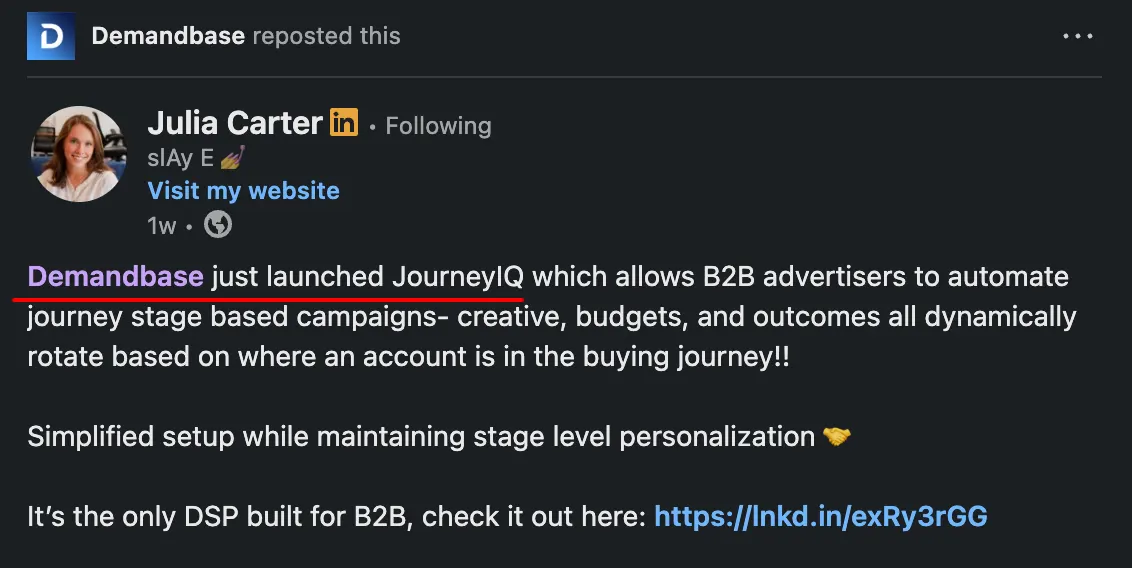
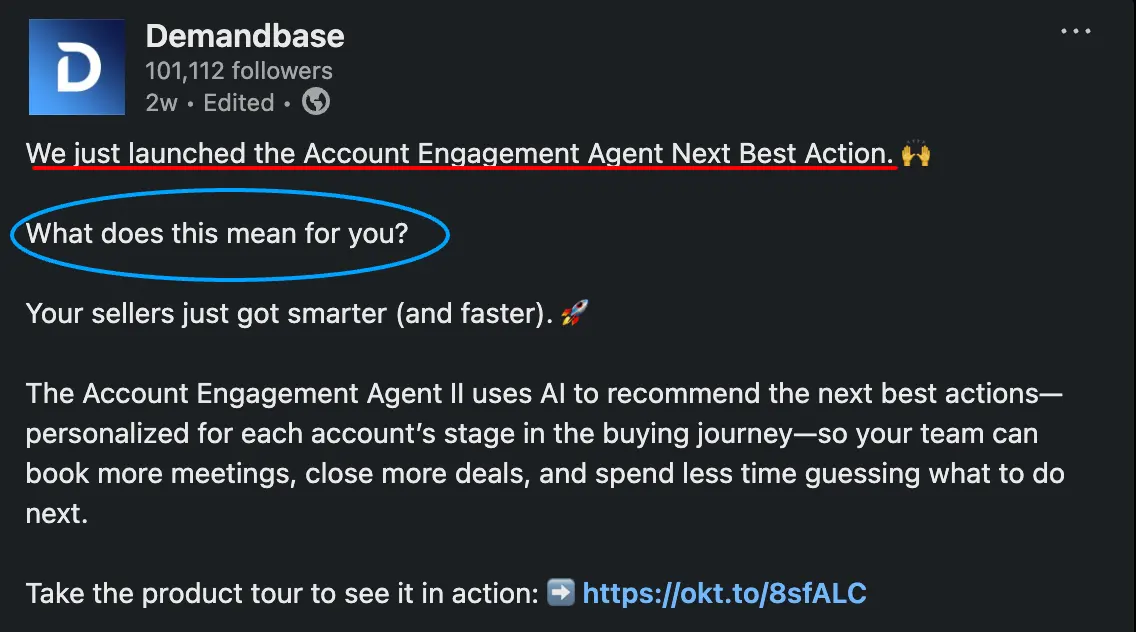
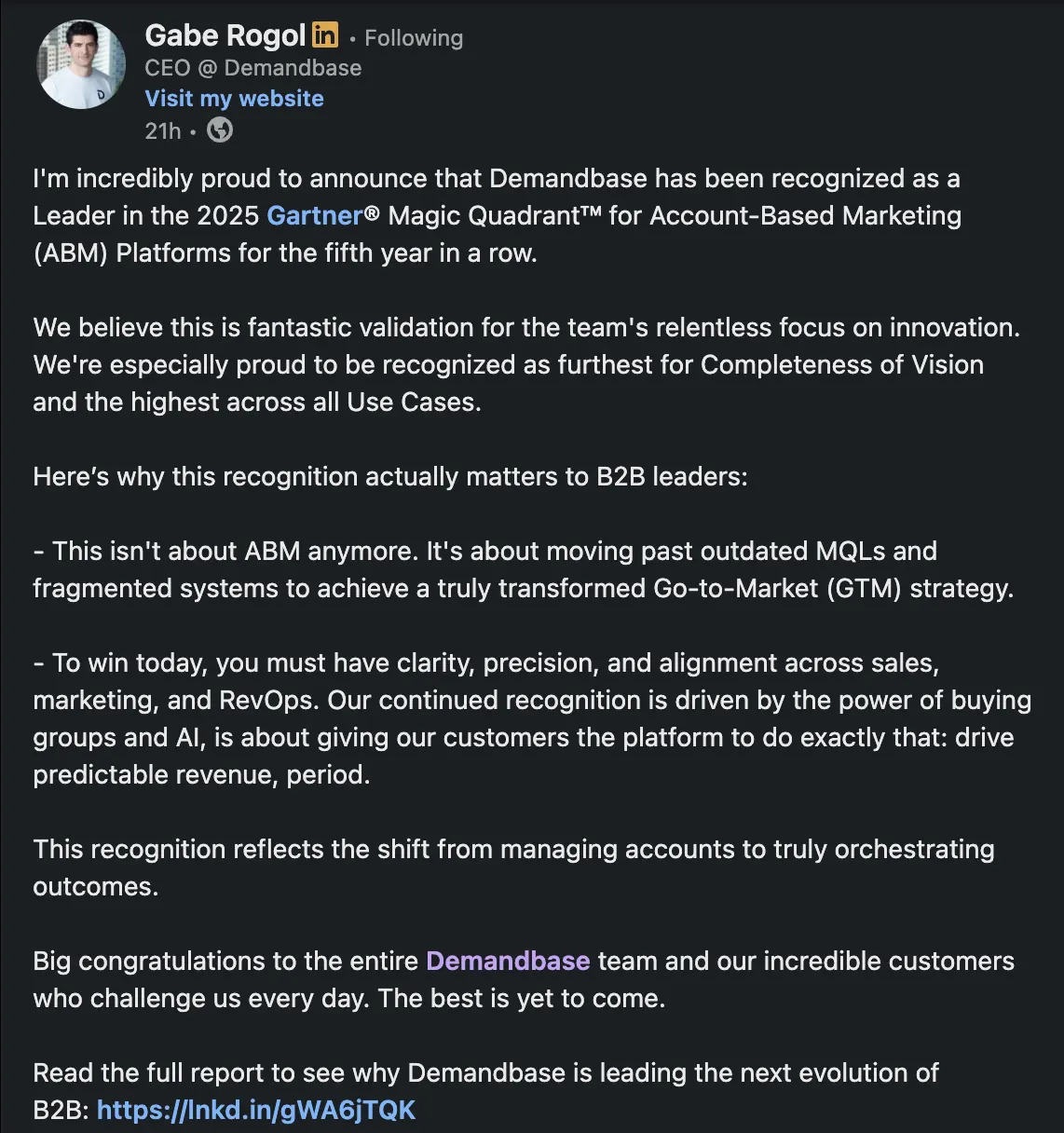
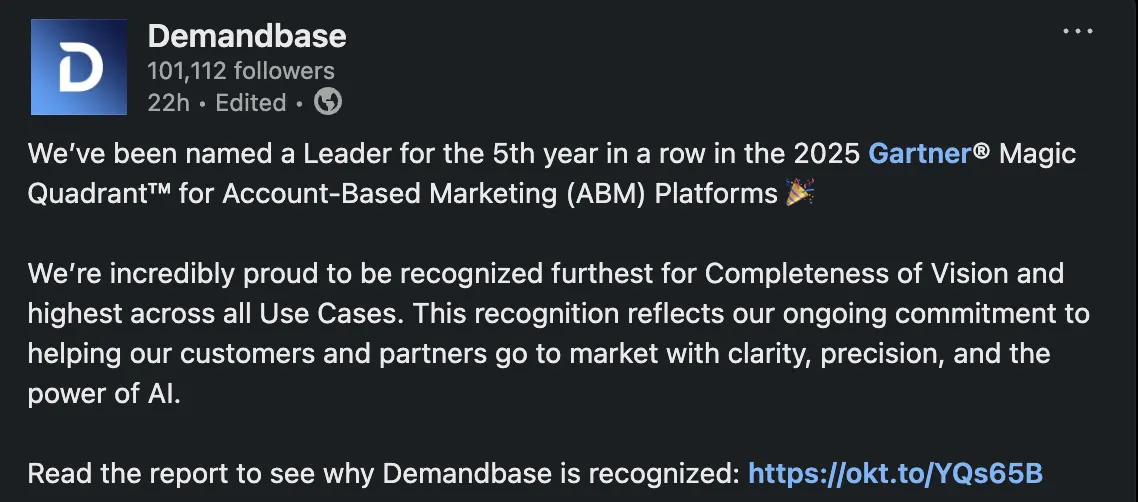
Here are few examples from Demandbase writing posts, and engaging with users on LinkedIn:
- A new feature launch being discussed by a partner, and accompanied by a comment from Demandbase.

- A feature announcement and how it helps users.
- Posts from CEO and company account on a new recognition by Gartner.
In a multi-channel strategy, social media also acts as the distribution layer for your content engine. It’s where you break down your long-form content ideas into digestible insights for broader audiences.
For example, you can turn your whitepaper into a carousel. Your case study into a short video. Insights from your webinar into an ongoing conversation thread. This repurposing maximizes visibility and deepens engagement with different audience segments.
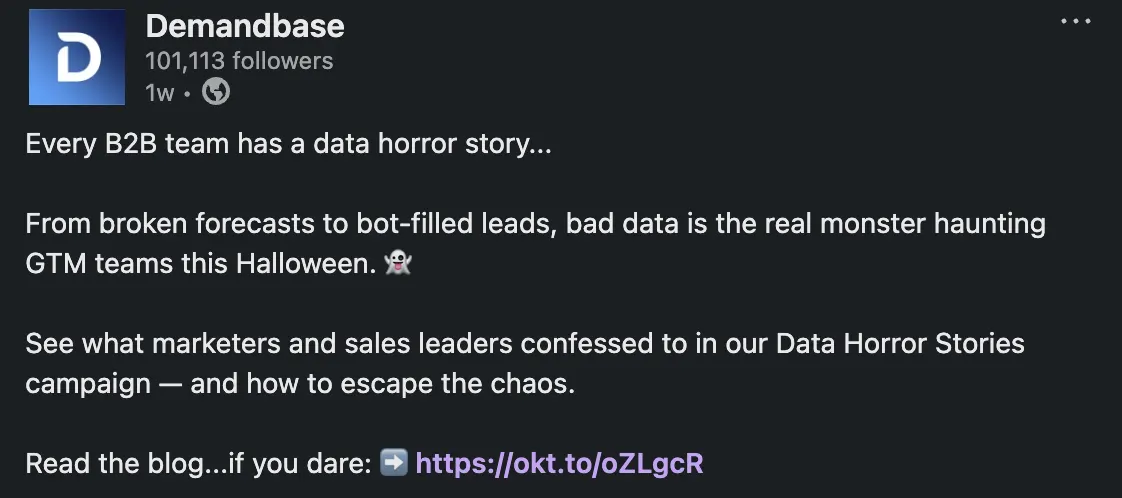
Here’s another example from Demandbase turning one of their blog posts into a LinkedIn post:

5. Digital advertising to influence target accounts
So far, we agree that getting in front of decision makers is important. And while there are other channels that give that opportunity, B2B digital advertising offers quite an unfair advantage over the rest.
Platforms like LinkedIn, Google Ads, programmatic networks, and even account-based advertising tools make it possible to target decision-makers by company, role, industry, or intent signals.
This precision ensures that every ad spend contributes to awareness, consideration, or conversion within a clearly defined audience.
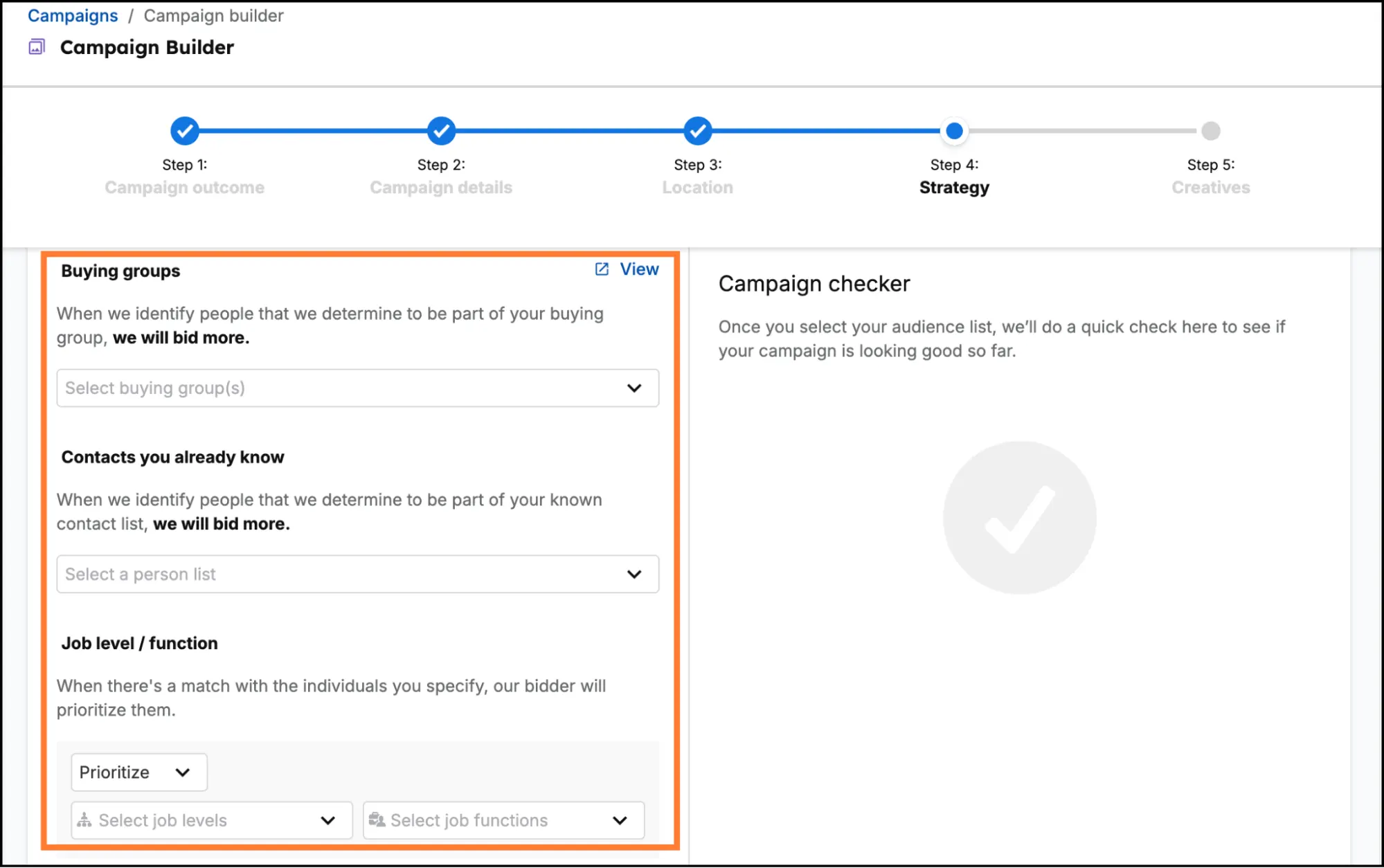
For example, Demandbase offers a ‘People-Based Advertising’ feature. This allows you to sharpen the focus of your ad campaigns by prioritizing people at the accounts based on people attributes. If a person matches one or more of the attributes you selected, the Demandbase DSP prioritizes the impression to them.
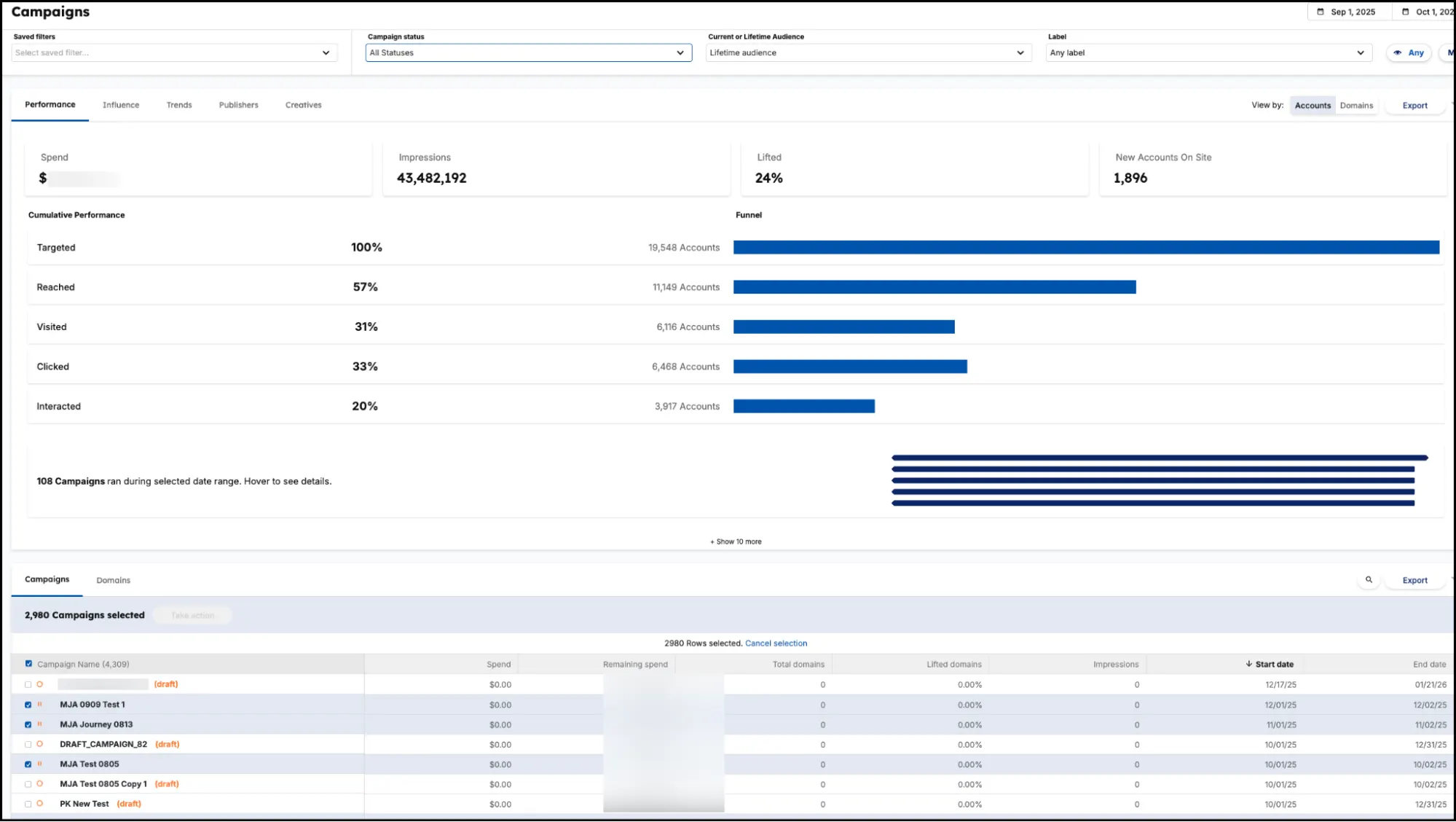
And here’s how it looks when you’ve launched a few marketing campaigns:
One other thing that makes digital advertising important in a multi-channel strategy is its ability to create familiarity before engagement.
When a target account repeatedly encounters your brand across channels—e.g., on LinkedIn, through display banners, or during industry content sponsorships, it builds a sense of recognition. By the time your SDR reaches out or a marketing nurture sequence begins, your brand already earned a space in their mind.
6. Connected TV (CTV) for high-impact brand building
CTV is a form of video marketing using streaming platforms like Hulu, YouTube TV, Amazon Fire TV, and Roku—to serve targeted ads to users watching content on connected devices.
For B2B, it creates a space that allows you to reach professional audiences when they’re fully engaged, not scrolling through feeds or ignoring banner ads. Think of it as your chance to tell your story with emotion in a way that connects, and locks in their engagement.
Unlike traditional TV, CTV campaigns can be hyper-targeted. You can define audiences by firmographics, industry, job title, and even intent data. This ensures that your 30-second spot isn’t wasted on mass reach but delivered directly to executives at your target accounts.
For example, a CFO who saw your CTV ad during a Bloomberg stream might later click your LinkedIn post or visit your site through an organic search. By the time your sales team connects, your brand already carries credibility. This is as a result of subconscious familiarity built through a high-quality, visual experience.
And because CTV integrates with digital analytics platforms, its impact is measurable. You can track impressions, engagement rates, and even downstream influence on pipeline performance.
Related → Creating Compelling B2B Ads for CTV | Demandbase
7. Webinars and virtual events for deep engagement
Webinars and virtual events create a two-way engagement that no static channel can match. It gives prospects a chance to learn, question, and interact directly with your brand’s expertise.
And that’s because B2B buyers want to understand what you sell and how you think —on the spot.
Webinars and virtual events give you the stage to demonstrate that thought leadership authentically, and in real-time. A well-executed session can condense weeks of sales nurturing into a single hour of genuine connection.
The data from this channel also gives you an insight into your prospects’ behaviors. For example, attendance is an early indicator of buying interest, while participation and follow-up questions reveal readiness.
Every interaction from registration to live chat becomes a data point you can feed back into your GTM systems.
With this, you can decide to segment attendees for tailored follow-ups, trigger personalized email sequences, or even arm sales teams with context about what each account cared most about.
Webinars and virtual events are interactive, which helps bridge the gap between marketing and community building.
That’s why hosting panels with existing and potential customers, partners, or industry leaders strengthens relationships. And it also positions your brand as the company that curates the conversations others want to be part of.
How to create a cohesive multichannel marketing strategy for B2B: 8 Best practices
Have measurable objectives
You have to first define what you’re trying to achieve with your multichannel marketing strategy.
- Are you looking into driving pipeline growth, expanding into new markets, increasing brand awareness, or accelerating deal velocity?
Without specific goals, it’ll be difficult to measure if a channel was successful or not. As such, each channel should have a defined role.
For example, social media may drive awareness, content builds education, and email nurtures conversion. Tying these together with shared KPIs keeps the entire GTM motion focused and aligned.
Understand and map the buyer journey
Knowing how your buyers research, evaluate, and decide on a solution is a critical factor. B2B buyers see your ad, then your webinar, then your email, and they expect those interactions to make sense together.
That’s why you have to map the buyer’s journey across each of these touchpoints to know: what questions they ask, what pain points emerge, where they go for information, what they do with the information, and how it impacts their decision.
This allows you to identify the most influential channels for each stage and tailor content accordingly.
For example, awareness-stage buyers might discover your brand through search or social media, while consideration-stage buyers engage with webinars or case studies.
Mapping these transitions ensures each channel builds logically into the next. This creates a continuous, frictionless customer experience throughout the journey.
Unify data across channels
Integrate your CRM, marketing automation, analytics, and ad platforms so all teams (marketing, sales, and RevOps) operate from a single, unified view of the buyer.
When your systems talk to each other, your teams can see how prospects interact across channels. They know what content they engage with, and which campaigns triggered responses.
This connected visibility eliminates silos and guesswork. It enables marketing to understand which channels actually drive the pipeline, allows sales to prioritize accounts showing active intent, and helps RevOps identify friction points in the buyer’s path.
Maintain consistent messaging and brand voice
Your audience should feel like they’re hearing one voice. Not one message from social, another from sales, and something entirely different in an email.
Develop clear messaging pillars that articulate your value, positioning, and tone, then enforce them across all content and campaigns.
For example, the same insight might appear as a thought-leadership post on LinkedIn, a visual carousel in ads, and a data-driven email follow-up. Each mode of marketing is different, but all aligned in narrative.
This is particularly important in multi-stakeholder B2B deals where multiple people interact with your brand across different channels.
Use customer data to drive timing and relevance
Sending a good email at the wrong time is the same as not sending at all. That’s why data-driven timing is very important.
By leveraging intent signals, behavioral analytics, and engagement data, you can identify when accounts are actively researching and what topics they care about. That allows you to trigger campaigns at the moment of highest interest.
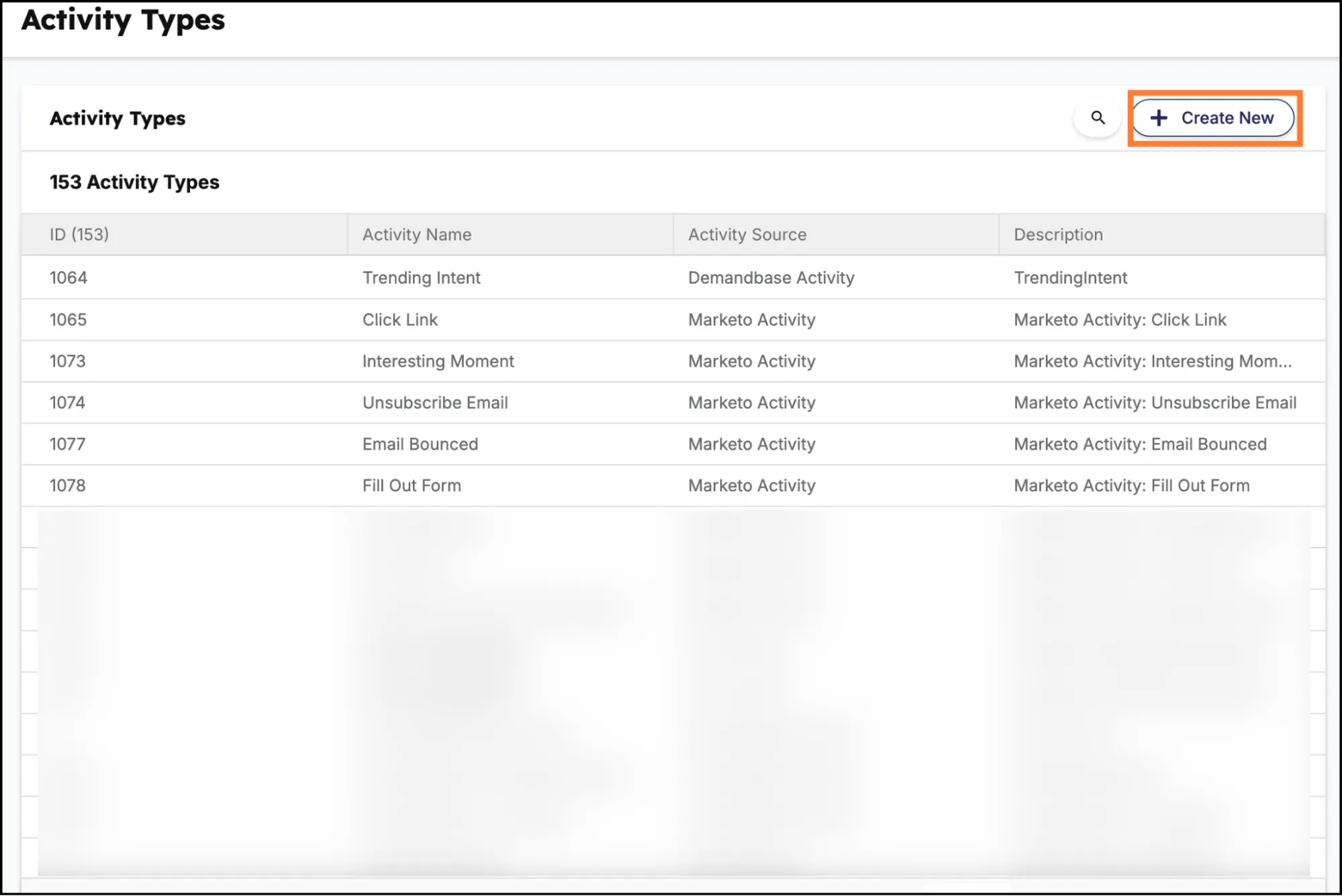
In practice, this means using intelligence platforms (like Demandbase) to coordinate ads, email, and sales outreach based on shared buyer activity.
Align marketing and sales around shared metrics
For a successful multichannel marketing strategy, you need your sales and marketing team to chase the same goals. And for that to happen, both teams need shared ownership of pipeline metrics.
That means measuring success through joint KPIs like pipeline influence, deal velocity, account engagement, and revenue contribution. When both teams are accountable to the same numbers, collaboration becomes natural.
This alignment creates a unified feedback loop. Marketing gains visibility into which campaigns actually drive qualified opportunities, while sales provides insights into buyer behavior, objections, and win patterns.
Christian Lowery, ABX Programs Team Lead, Global Field & Channel Marketing.
Learn how CyberArk achieves 4x higher close rates with an ABX approach powered by Demandbase
Leverage personalization and use automation to scale
Use the data you collect across channels (firmographics, engagement history, intent signals) to tailor your outreach in a way that feels relevant.
This can take many forms such as:
- Serving industry-specific ad creatives,
- Customizing email nurture sequences around role-specific pain points,
- Dynamically updating website content based on visitor behavior
For example, when a manufacturing prospect sees case studies from their industry, the experience is more relatable.
When you’ve figured this out, automation is the next step. Automate repetitive workflows like lead routing, email sequences, retargeting. This way, your teams can focus on the high-value projects.
Continuously measure and optimize your channels
This starts with implementing a measurement framework that tracks both channel-level performance and cross-channel alignment, so you’re not optimizing in isolation.
The goal is to understand how each channel performs individually and how they work together to move buyers through the sales funnel.
Here are the core metrics that matter most:
- Engagement metrics: Track how prospects interact with your campaigns across channels. Eg., clicks, time on page, video watch rate, webinar attendance. These measure interest and resonance, showing which content and formats are capturing attention.
- Conversion metrics: Measure actions that move leads closer to revenue. E.g., downloads, demo requests, event registrations, or form fills. The goal is to identify which combinations of touchpoints create momentum.
- Pipeline influence: Identify which channels contribute to opportunities created, influenced, or accelerated.
- Account engagement score: In account-based marketing motions, engagement must be measured at the account level. That means combining signals from ads, emails, site visits, and events to reveal which accounts are warming up and which are stalling.
- ROI and cost efficiency: Evaluate spend against impact. How much pipeline or revenue growth did each channel influence relative to its cost? This helps rebalance budgets toward channels that drive meaningful returns.
- Customer retention and expansion: Monitor retention rate, upsell revenue, and customer engagement in success channels (emails, webinars, customer communities) to ensure customer lifetime value grows.
Next, use multi-touch attribution to connect early-stage awareness (like ads or SEO) with later-stage conversions (like email campaigns or sales outreach).
For example, a webinar might not deliver the final form fill, but it could be the key touchpoint that nudges an account from awareness into active evaluation. Same goes for a LinkedIn ad that might not produce leads, but it increases email engagement or direct traffic to your product pages.
Recognizing these patterns helps you allocate budget better, and know which channel to prioritize.
Your next campaign deserves better coordination (and Demandbase delivers it)
If there’s one thing modern B2B teams know, it’s that running a multi-channel campaign today is quite complex.
There are a lot of channels available, making teams spend more time reconciling dashboards than they do engaging customers. This has led to two problems: missed signals and inconsistent messaging.
So we built Demandbase to solve that.
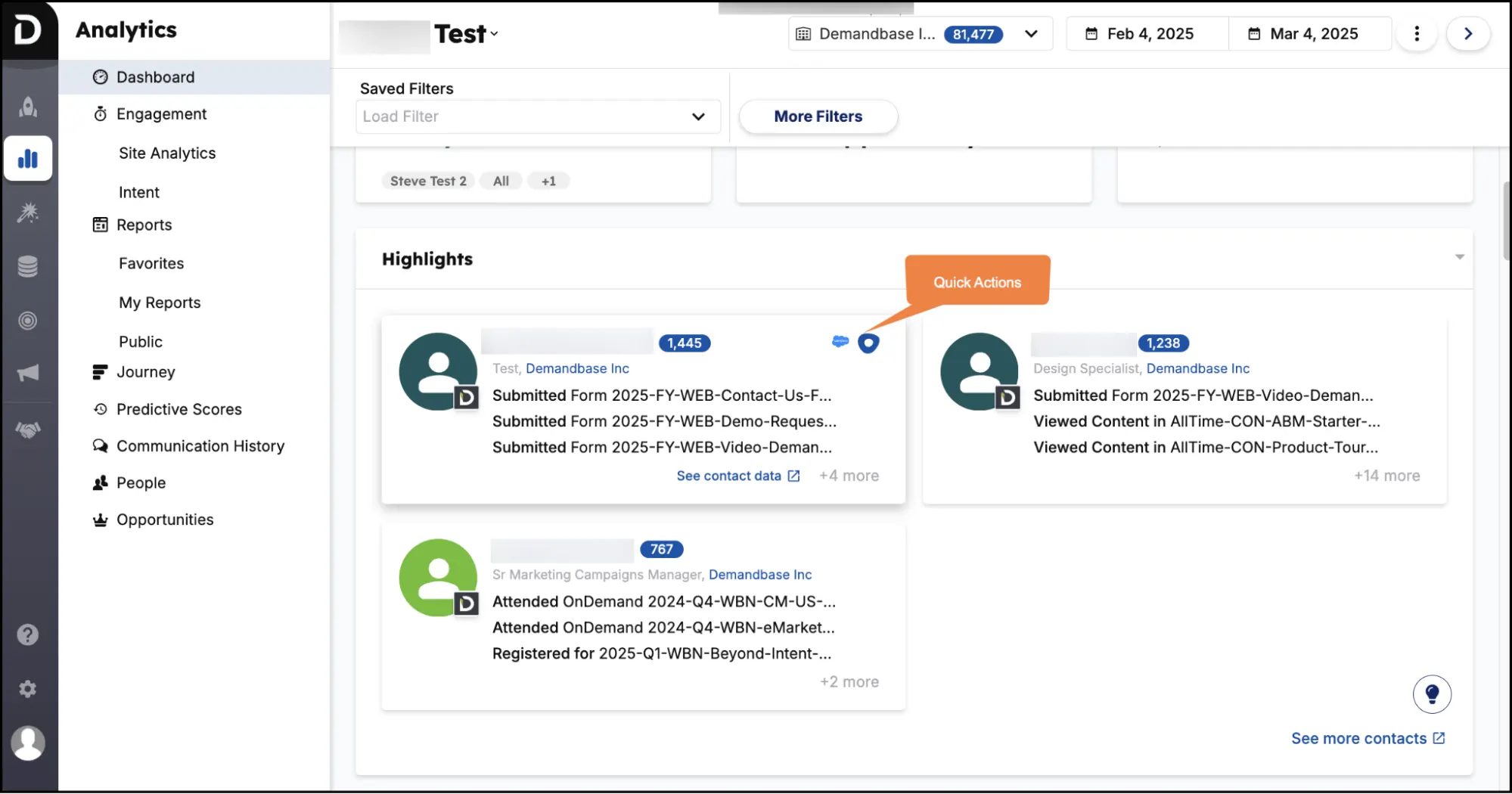
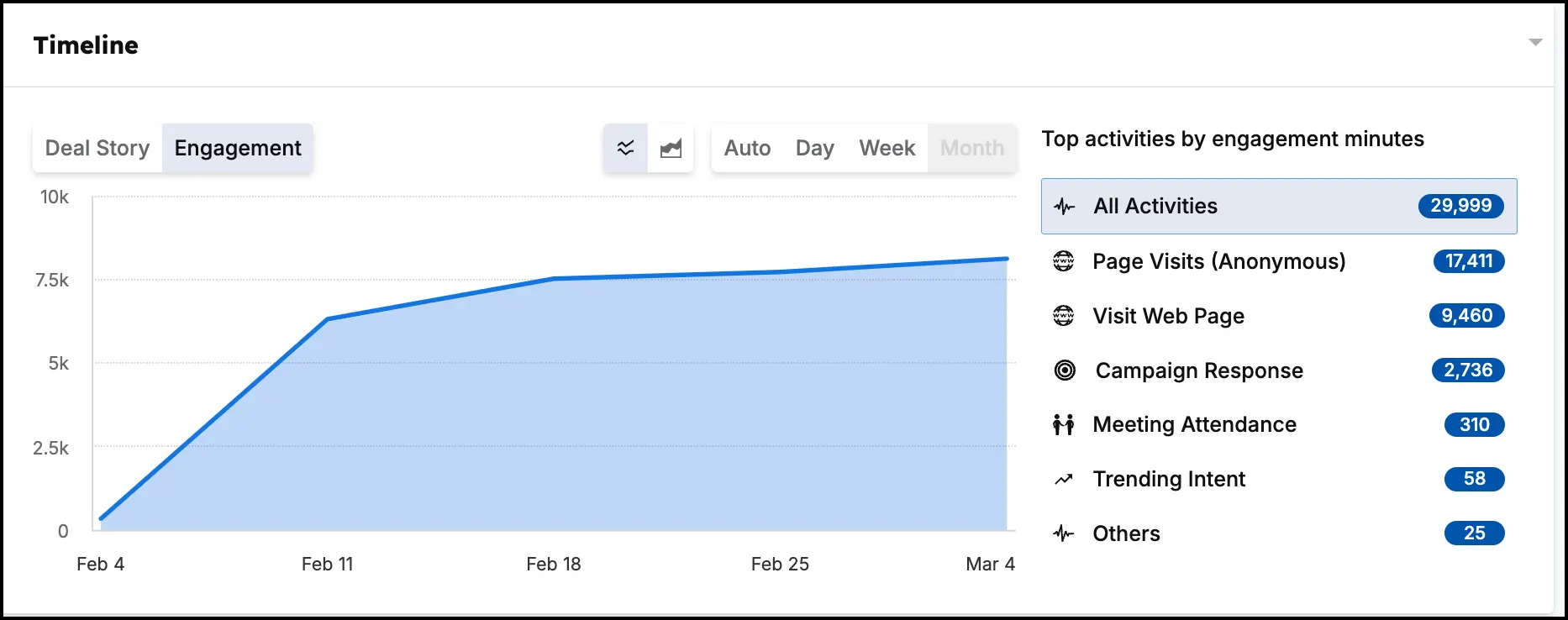
Instead of managing disconnected campaigns, Demandbase helps you orchestrate one coordinated motion across your entire go-to-market system. It unifies your data, intelligence, and execution.
Here’s what that means for you:
- Real-time intent and predictive insights: Know exactly which accounts are in-market and what they care about, so your next message lands when interest peaks.
- Unified account intelligence: Bring together firmographics, technographics, and behavioral data in one place, giving your team a 360° view of every account.
- Multi-channel orchestration: Automated coordinated plays across email, ads, social, and sales outreach—without losing message consistency.
- Revenue visibility: Tie every campaign back to pipeline and revenue, showing which channels, messages, and touchpoints actually drive growth.
And this is the reality of what teams using Demandbase experience every day:
Robert Bramley, Demand Generation Manager, GoCardless
Jack Hallett, Senior Manager Marketing Operations, Achievers.
Linda Johnson, Global Director of Marketing Operations, Workforce Software.
Demandbase gives your team the intelligence to focus on the right accounts, the tools to reach them across every channel, and the insights to prove exactly what’s working.
Ready to make every channel count?
We have updated our Privacy Notice. Please click here for details.